
Stress & Self-care
Understanding Stress and Its Impact on Your Health
Stress is a natural response to a perceived challenge, change or threat. Stress is normal. We all experience some form of stress at work or at home. Our body is programed to respond to stress. While some stress may be normal, distress may have serious health consequences if not addressed in a timely way. High levels of stress may trigger “fight, flight or freeze” reactions. This may also come with heightened adrenalin or cortisol into the body.
Physical symptoms associated with stress may include, headaches, exhaustion, muscle tension, high blood pressure, jaw clenching or stomach pains. Psychological symptoms include anxiety, depression or panic attacks. The impact on your body may not be so evident in the beginning. But chronic stress or long-term stress could also result in chronic illness.
The first step to dealing with stress is becoming conscious of how your body is reacting to stress. Next, think about what you are doing to relieve stress. How intentional are you about self-care and mindfulness?


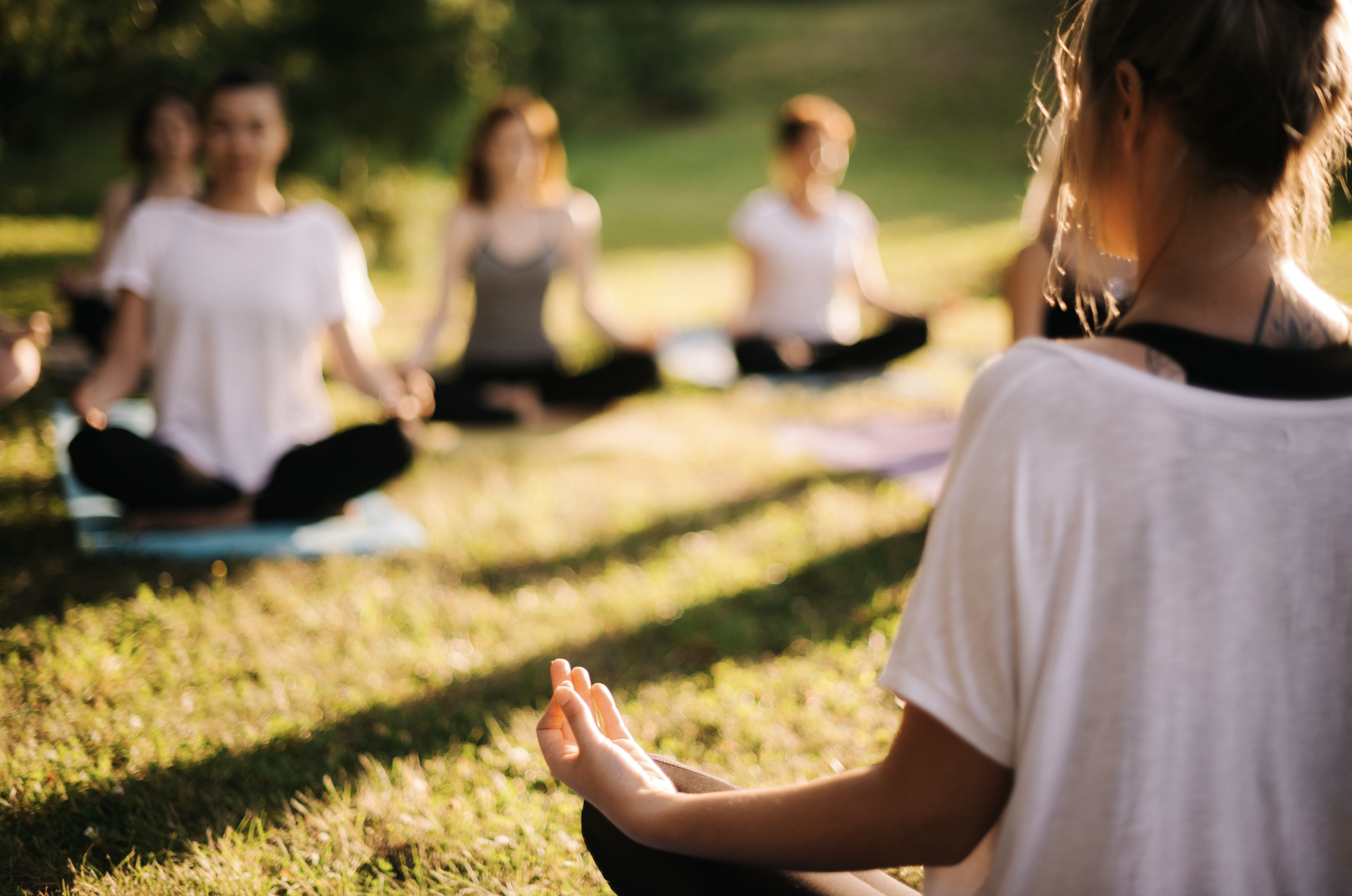
Managing or Preventing Stress
How you manage your stress makes all the difference. Here is a short list of things that you can do to control your level of stress:
Be mindful of your body’s reaction to stress
Breathe
Meditate/focus/intentionally calm your body
Create a self-care plan